Medeni Font: A Spooky Display Typeface for Branding That Stands Out
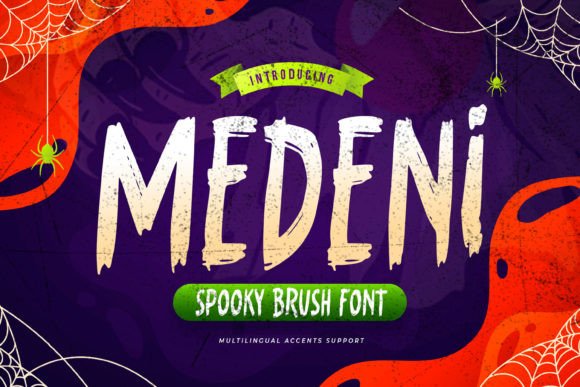
As a small business owner, I'm always looking for design elements that help my brand feel cohesive and memorable. Medeni, a textured brush display font with dramatic movement, has become a go-to choice for moments when I want to add personality without sacrificing professionalism. It’s not just a font—it’s a visual statement that helps customers recognize and remember my brand.
Why Medeni Works for Real Business Applications
At first glance, Medeni feels handcrafted and expressive, which makes it perfect for brands that want to stand out with a unique identity. Its spooky yet elegant texture gives it a vintage charm, while the dynamic strokes add visual interest. This isn’t a font you use for body copy—it’s a display font meant to catch the eye in logos, packaging, social media graphics, and other customer-facing materials.
Whether I’m designing product labels for handmade candles, creating a custom logo for a boutique, or preparing a seasonal flyer for a café promotion, Medeni brings a level of sophistication and flair that feels intentional and on-brand. It’s especially effective for seasonal or niche businesses—think Halloween-themed product lines, artisanal shops, or wellness brands looking to evoke a sense of mystery and elegance.
How Medeni Elevates Everyday Brand Materials
One of the biggest challenges for small businesses is maintaining a consistent visual identity across different platforms. Medeni helps with that by acting as a strong visual anchor. When I use it in a logo, it sets the tone for the rest of the branding. When I apply it to packaging, it makes the product feel premium and intentional. Even on social media, using Medeni in Instagram stories or Pinterest pins gives my content a more curated look.
- Logo design: Medeni adds character to boutique and service-based business logos
- Packaging design: Perfect for limited-edition product labels and artisanal packaging
- Printed materials: Works well in flyers, thank-you cards, and seasonal promotional prints
- Web and social media: Enhances website banners, quote graphics, and digital ads
Choosing the Right Use Cases for Medeni
Because Medeni is a decorative brush font, it's best used as a headline or accent font rather than for long-form text. It shines in short, impactful phrases—like a brand name, tagline, or special event title. I often pair it with a clean sans serif or readable serif font to create contrast and maintain readability across different formats.
For example, if I’m branding a small coffee shop with a rustic aesthetic, I might use Medeni for the shop name on signage and menus, and a simple sans serif for descriptions and pricing. In a digital context, I might use Medeni for Instagram post captions or highlights covers, while keeping the main body text in a more legible font.
Readability and Practical Design Considerations
When choosing a font like Medeni, readability is key—especially in real-world applications. I’ve found that it works best at larger sizes, such as on product packaging, posters, or website headers. For small labels or mobile screens, I use it selectively and test how it appears across different devices and print materials before committing.
It’s also important to consider how Medeni looks in different colors and backgrounds. The textured brush style can sometimes get lost on busy or dark backgrounds, so I typically use it on light or neutral tones to ensure it stands out clearly. When designing for print, I always request a proof to check the clarity and texture before final production.
Testing Medeni Before Full Brand Rollout
Before integrating Medeni into my entire brand identity, I recommend testing it in a few key areas first. I’ll mock up a sample label, create a temporary Instagram post, or design a simple thank-you card to see how it looks in practice. This helps me evaluate whether the font aligns with my brand personality and communicates the right message to my audience.
I also test different font pairings to see what works best. Pairing Medeni with a minimalist sans serif like Montserrat or Lato helps balance the design and keeps it from feeling too overwhelming. If I want a more classic look, I’ll pair it with a serif font like Playfair Display or Georgia.
Understanding Font Licensing for Business Use
As a small business owner, I always double-check the licensing terms for any font I use—especially when it's going on product packaging, merchandise, or client-facing templates. Medeni is typically available as a commercial font, but it’s important to confirm that the license allows for the specific use case, whether it's printed materials, digital ads, or product branding.
Many font creators offer different licensing tiers, so I make sure to purchase the appropriate one for my intended use. This helps avoid legal issues and ensures I’m supporting the designers who create these valuable design assets.
Final Thoughts: Medeni as a Strategic Branding Tool
Medeni isn’t just another decorative font—it’s a branding tool that helps small businesses communicate their identity in a memorable and professional way. Whether you're launching a new product line, redesigning your logo, or creating seasonal marketing materials, Medeni adds a touch of drama and elegance that helps your brand stand out in a crowded market.
When used thoughtfully, fonts like Medeni contribute to a consistent and recognizable brand presence across all customer touchpoints. It’s a reminder that even small design choices—like the right typeface—can have a big impact on how your business is perceived.