Hadera: A Modern Display Font for Web Design
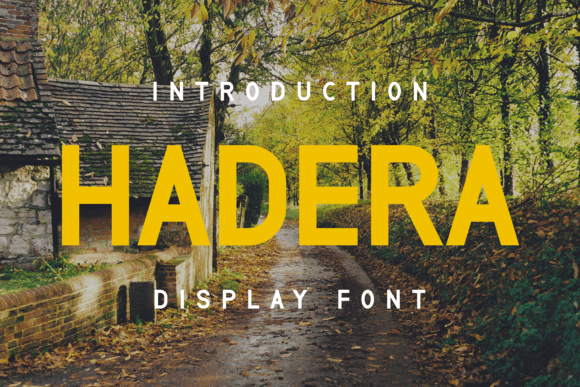
In the crowded landscape of digital experiences, the first thing a user notices is often not the image or the layout grid, but the typography. As designers, we know that selecting the right typeface is the difference between a website that feels generic and one that commands attention. Enter Hadera, a cool and modern display font designed to elevate your digital creations. Whether you are building a high-conversion landing page, a sleek SaaS interface, or a boutique online store, Hadera offers the visual weight and character needed to establish a strong brand tone immediately.
The Visual Personality of Hadera in Digital Layouts
Hadera stands out as a versatile asset within any fonts library because it balances boldness with contemporary elegance. Unlike traditional serif fonts that can feel stiff on screen, or overly decorative script fonts that sacrifice readability, Hadera hits a sweet spot perfect for modern web design. Its geometric yet fluid characteristics make it an incredible choice for hero sections where you need to capture attention within milliseconds.
When implementing Hadera into a UI design project, you will notice how its unique letterforms create a distinct rhythm. This rhythm guides the user's eye naturally through the content hierarchy. The font works exceptionally well for headlines, section titles, and short, punchy phrases that define your value proposition. It brings a sense of professionalism and creativity without overwhelming the user, ensuring that your message lands with clarity and impact.
Enhancing Visual Hierarchy and Conversion
One of the primary challenges in web design is establishing a clear visual hierarchy. Users scan pages rather than reading them word-for-word. Hadera excels here by providing a strong contrast against body copy. When paired with a clean sans serif font for paragraphs, Hadera creates a dynamic relationship that improves scanning behavior and keeps users engaged.
Consider a product landing page for a new tech gadget. Using Hadera for the main headline instantly signals innovation and modernity. This sets the stage for the rest of the content, making the call-to-action (CTA) buttons feel more urgent and relevant. In conversion-focused layouts, the typography must support the goal of the page. Hadera’s bold presence ensures that key messages are not lost in the noise, directly influencing user engagement and trust.
- Hero Sections: Use Hadera for large, impactful headlines that introduce your brand story.
- Call-to-Action Areas: Apply the font to button text or sub-headlines to draw focus to critical actions.
- Online Store Banners: Leverage its style for promotional graphics that need to stand out in a feed.
- Portfolio Sites: Highlight project titles to showcase your creative identity effectively.
Optimizing Readability Across Devices
A premium font is only as good as its performance across different devices. With mobile traffic dominating the web, responsiveness is non-negotiable. Hadera has been crafted with digital screens in mind, maintaining legibility even at smaller sizes when used for headings. However, like most display fonts, it shines best when given room to breathe. Avoid using it for long-form body text; instead, reserve it for titles and accents where its personality can truly shine.
On mobile screens, ensure that the line height and letter spacing are adjusted to prevent crowding. Hadera looks particularly striking on dark backgrounds, offering a sleek, high-contrast look that is popular in modern app interfaces and night-mode websites. Conversely, on light backgrounds, it provides a crisp, editorial feel suitable for lifestyle brands and coaching websites. When overlaying Hadera on images, always check for sufficient contrast or use subtle drop shadows to maintain accessibility standards.
Strategic Font Pairing for Brand Identity
To create a cohesive brand identity, font pairing is essential. Hadera acts as the star of the show, so it needs a supporting cast that doesn't compete for attention. A simple, neutral sans serif font is often the best companion. This combination allows Hadera to handle the emotional and aesthetic load while the sans serif ensures the information is digestible.
If you are aiming for a more sophisticated, editorial digital identity, consider pairing Hadera with a classic serif font. This mix can work beautifully for luxury e-commerce sites, fashion blogs, or high-end service providers. The interplay between the modern curves of Hadera and the structured lines of a serif font creates a timeless aesthetic that appeals to discerning audiences. Always test these combinations in real-world scenarios, such as social media graphics or email headers, to ensure they translate well across various mediums.
Practical Applications for Digital Creators
The versatility of Hadera makes it a valuable tool for a wide range of digital products. For SaaS founders, it can give a dashboard or pricing page a fresh, approachable look. Bloggers can use it to break up long articles with engaging section headers that encourage scrolling. Creative entrepreneurs launching a course sales page can leverage Hadera to make their offer pop, creating a sense of excitement and authority.
Imagine a portfolio site for a graphic designer. Using Hadera for the navigation menu and project titles instantly communicates a sense of style and confidence. Similarly, for a digital brand kit, including Hadera ensures that all marketing materials—from Instagram stories to website banners—maintain a consistent voice. This consistency is crucial for building brand recognition and trust over time.
Technical Considerations and Licensing
Before integrating Hadera into your workflow, verify the included styles and file formats. A robust display font should offer multiple weights and alternates to provide flexibility in your designs. Check if webfont availability is included, as this is critical for seamless implementation on websites without relying on local installations. Additionally, ensure the font supports the languages required for your target audience to avoid rendering issues.
Licensing is another vital aspect for professional web designers. If you are working on client projects, online stores, or commercial templates, you must secure the appropriate commercial font license. Using a font without the correct rights can lead to legal complications and damage your reputation. Ensure your license covers web usage, digital downloads, and any other intended applications to protect both yourself and your clients.
Incorporating Hadera into your design toolkit is more than just adding a new typeface; it is about upgrading the overall quality of your digital output. By focusing on readability, visual hierarchy, and strategic pairing, you can create web experiences that are not only beautiful but also highly effective. Whether you are designing a single landing page or a comprehensive brand ecosystem, Hadera provides the modern touch needed to stand out in today's competitive digital marketplace.